SEO Checklist for Beginners: A Practical Step-by-Step Guide
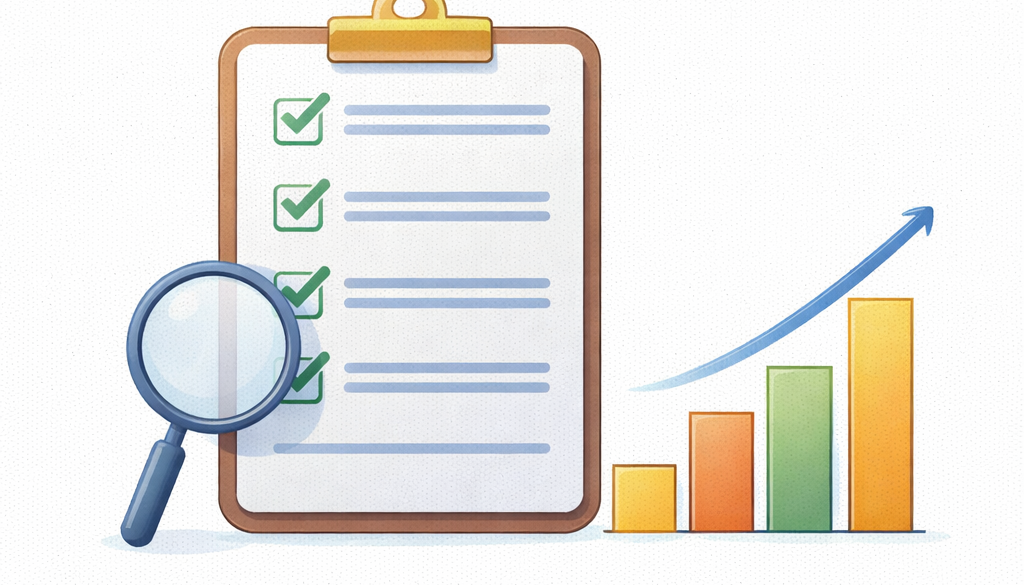
SEO can feel confusing when you are starting. There are too many tools, too many tactics, and too much conflicting advice. That is why having a clear SEO checklist for beginners is important.
A structured approach removes guesswork and helps you focus on what actually improves rankings. Instead of trying random techniques, you follow a system that builds visibility over time.
Why you need an SEO checklist
Most beginners fail because they jump into SEO without a plan.
They publish content without research, ignore technical issues, and expect quick results. This leads to frustration and poor performance.
A proper SEO checklist for beginners ensures that every important element is covered:
• Keyword targeting
• Content quality
• Website structure
• Technical performance
• Authority building
SEO is not one action. It is a combination of multiple factors working together.
Step 1: Keyword research
Everything in SEO starts with keywords.
You need to understand what your audience is searching for and how they search.
Focus on:
• Search intent
• Specific queries
• Low to medium competition keywords
Avoid targeting very broad keywords at the beginning. They are difficult to rank for.
A strong SEO checklist for beginners always starts with proper keyword selection.
Step 2: On-page optimisation
Once you have keywords, the next step is optimising your page.
This includes:
• Title tag with keyword
• Meta description
• Proper heading structure
• Keyword placement in content
• Internal linking
Search engines use these elements to understand your page.
If your on-page SEO is weak, your chances of ranking decrease.
Step 3: Content creation
Content is the core of SEO.
Your content should:
• Answer real questions
• Provide useful information
• Be easy to read
• Cover the topic in depth
Short, generic content does not perform well.
A strong SEO checklist for beginners includes creating content that actually helps users.
Step 4: Technical SEO basics
Even good content will not rank if your website has technical issues.
Important factors include:
• Page speed
• Mobile friendliness
• Proper URL structure
• Clean navigation
• No broken links
These elements improve user experience and help search engines crawl your site.
Step 5: Internal linking
Internal linking helps connect your content.
It improves navigation and distributes authority across your website.
Every page should link to:
• Relevant blog posts
• Important pages
• Core service pages
A good SEO checklist for beginners includes a proper internal linking strategy.
Step 6: Backlink building
Backlinks are one of the strongest ranking factors.
They signal trust and authority to search engines.
You can build backlinks through:
• Guest posting
• Directory submissions
• Content promotion
• Partnerships
Without backlinks, ranking becomes difficult even with good content.
Step 7: Consistency and updates
SEO is not a one-time activity.
Many beginners follow a checklist once and stop.
That is a mistake.
You need to:
• Publish regularly
• Update old content
• Track performance
• Improve continuously
Consistency builds authority over time.
Common mistakes beginners make
Even with a checklist, beginners make errors:
• Targeting the wrong keywords
• Ignoring search intent
• Publishing thin content
• Not building backlinks
• Expecting quick results
Avoiding these mistakes improves your chances of success.
Final Thoughts
A clear SEO checklist for beginners helps you focus on what matters.
Instead of trying everything, you follow a structured approach that builds results over time.
SEO is not about shortcuts. It is about consistency, quality, and strategy.
If you apply these steps properly, you will start seeing improvements in visibility and traffic.
If you want to move faster and avoid common mistakes, you can learn how a digital marketing service approaches SEO as a complete system rather than a checklist.